AI in Web Development 2026: How Artificial Intelligence is Reshaping Front-End & Back-End Engineering

The Dawn of AI-Driven Web Development
The web development landscape is experiencing its most radical transformation in decades. Artificial Intelligence (AI) has evolved from basic automated autocomplete scripts into sophisticated architectural partners capable of generating full-stack codebases, analyzing UX patterns, and optimizing real-time web performance.
In 2026, building web applications is no longer just about writing raw syntax; it is about orchestrating AI agents, defining precise system prompts, and ensuring top-tier software quality. From frontend design execution to backend microservice orchestration, AI is shifting how developers build digital experiences.
Key Areas Where AI is Transforming the Web Stack
1. Next-Generation UI/UX Design to Code Execution
Modern frontend workflows are discarding manual pixel-by-pixel implementation. Designers can now convert high-fidelity Figma files, wireframes, or hand-drawn sketches directly into production-ready React, Vue, or Tailwind CSS code using multimodal AI models. These tools analyze visual spatial hierarchies, accessibility standards, and responsive breakpoints in seconds, cutting frontend markup time significantly.
2. Automated Code Generation and Pair Programming
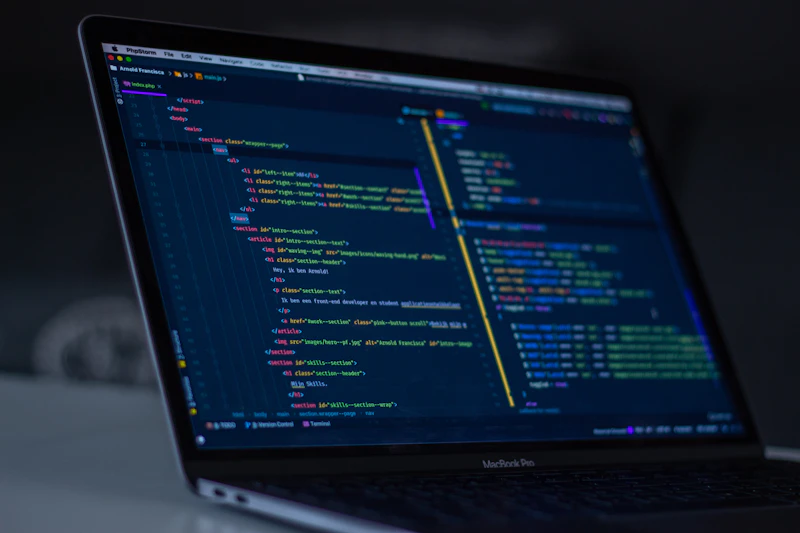
Intelligent coding assistants are deeply embedded within developer IDEs. Beyond completing single lines of code, these systems analyze entire repositories to write unit tests, refactor legacy logic, and write comprehensive API documentation. Software engineers can describe complex business logic in plain text and receive well-structured, modular code instantly.
3. Real-Time Performance Optimization and Edge Analytics
Ensuring fast page load times and optimal Core Web Vitals is crucial for SEO and user retention. AI-powered analytics monitor real-time user traffic at the CDN edge, dynamically compressing assets, optimizing SQL queries, and restructuring DOM elements based on user device metrics without manual developer intervention.
4. Predictive Cybersecurity and Vulnerability Patching
Cybersecurity threats are increasingly automated, requiring equally dynamic defensive solutions. AI security tools continuously scan web application codebases for vulnerabilities such as Cross-Site Scripting (XSS), SQL injection, and broken authorization flows. Upon detecting a flaw, these systems can generate and suggest zero-day security patches directly within the CI/CD pull request workflow.
💡 Industry Trend Highlight: AI-Native Web Frameworks
Modern web frameworks are incorporating AI-first features natively—offering dynamic server-side rendering (SSR) driven by predictive user behavior models and built-in vector database connectors for seamless semantic search integration.
The Changing Role of the Web Developer
While AI automates repetitive boilerplate tasks, it does not replace the necessity of skilled web developers. Instead, the role of a developer is evolving from pure syntax writing to system engineering, code architecture validation, and user privacy governance.
Essential Skills for Developers in the AI Era:
- System Architecture Design: Building scalable, maintainable server topologies and database schemas that AI models can integrate with cleanly.
- AI Code Auditing & QA: Critically reviewing AI-generated code for security flaws, memory leaks, and logical fallacies before production deployment.
- Prompt Engineering & Context Management: Crafting accurate contextual prompts and technical specifications to guide AI coding engines effectively.
- Data Privacy & Ethical Engineering: Managing compliance around user data protection, preventing algorithmic bias, and ensuring web accessibility compliance (WCAG).

Conclusion
Artificial Intelligence is not destroying web development; it is accelerating it. By delegating boilerplate code generation, routine test execution, and dynamic asset delivery to AI systems, web engineers can focus on creative problem-solving and strategic system design. Developers who embrace these modern tools will build faster, safer, and more innovative web experiences for the global digital ecosystem.